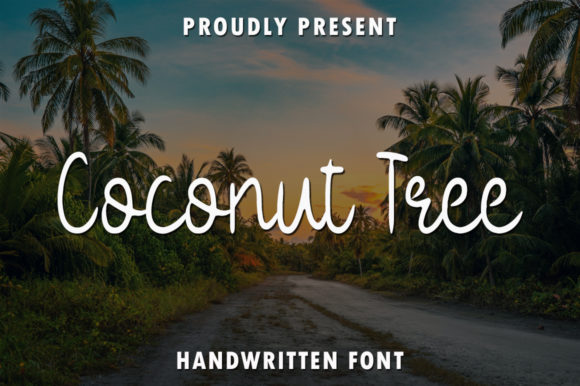
Coconut Tree: A Delicate Handwritten Font for Web Design
As a web designer, finding the perfect typeface can make or break the visual appeal and functionality of your digital projects. Coconut Tree is a sweet and delicate handwritten font that brings a touch of elegance and joy to any design. This premium font is not just visually appealing; it's also highly functional, making it an excellent choice for a wide range of web design applications.
Visual Characteristics and Personality
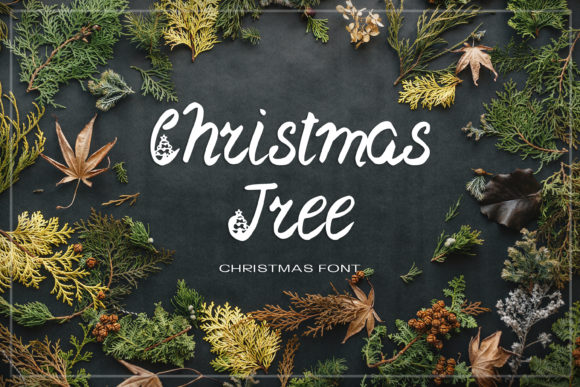
Coconut Tree features a dainty and joyful style, with flowing lines and a natural, hand-drawn feel. The characters are well-spaced and legible, even at smaller sizes, which makes it a versatile option for both large and small text. Its romantic and personalized touch adds a unique and memorable element to any design, making it ideal for creating a warm and inviting atmosphere on your website.
Using Coconut Tree in Web Design
One of the most effective ways to use Coconut Tree is in website headers and hero sections. The font's elegant and approachable style can instantly capture the attention of visitors, setting the tone for the rest of the page. For example, a creative portfolio site could use Coconut Tree for the main heading, paired with a clean sans serif font for the body text, creating a balanced and professional look.
- Website Headers: Use Coconut Tree for the main heading to create a welcoming and engaging first impression.
- Hero Sections: Incorporate Coconut Tree in the hero section to add a personal and inviting touch to your landing page.
- Landing Pages: Utilize Coconut Tree for call-to-action (CTA) buttons and short phrases to draw the user's eye and encourage interaction.
Readability and Visual Hierarchy
While Coconut Tree is a decorative display font, it maintains good readability, especially when used in larger sizes. For mobile screens and responsive layouts, it's important to test the font at various sizes to ensure it remains legible. When using Coconut Tree for longer text, consider pairing it with a simple sans serif or serif font for the body copy to maintain a clear visual hierarchy and enhance overall readability.
Brand Identity and User Engagement
The personality of Coconut Tree can significantly influence the brand identity and user engagement on your website. Its handwritten style conveys a sense of authenticity and creativity, which can be particularly effective for brands in the creative, lifestyle, and boutique industries. For instance, a boutique online store can use Coconut Tree for product titles and descriptions, creating a cohesive and charming brand image that resonates with customers.
Practical Examples and Applications
Here are some practical examples of how you can incorporate Coconut Tree into your web design projects:
- Creative Portfolio: Use Coconut Tree for the main heading and section titles to give your portfolio a personal and artistic touch.
- Boutique Online Store: Apply Coconut Tree for product names and category headings to create a unique and inviting shopping experience.
- Coaching Website: Employ Coconut Tree for the main heading and CTA buttons to establish a friendly and approachable brand presence.
- Product Landing Page: Utilize Coconut Tree for the headline and key benefits to draw attention and create a memorable impact.
- Blog Header: Use Coconut Tree for the blog title and post headings to add a creative and engaging element to your content.
Font Pairing and Complementary Typography
To achieve a harmonious and professional look, consider pairing Coconut Tree with complementary fonts. A popular combination is using a decorative display font like Coconut Tree for headings and a simple sans serif font, such as Arial or Roboto, for the body text. This pairing ensures that the design remains visually interesting while maintaining clarity and readability. For a more editorial and sophisticated look, you can also pair Coconut Tree with a classic serif font, such as Georgia or Times New Roman.
Commercial Licensing and Usage
When using Coconut Tree for commercial projects, such as client websites, online stores, and digital templates, it's essential to check the licensing terms. Most premium fonts, including Coconut Tree, come with specific usage rights and restrictions. Ensure that you have the appropriate license for your intended use, whether it's for a single project, multiple clients, or unlimited use. This will help you avoid any legal issues and ensure that your designs are fully compliant.
Final Considerations
Before incorporating Coconut Tree into your web design, take a moment to review the included styles, file formats, and webfont availability. Check if the font offers alternates, weights, and multilingual support, as these features can enhance the versatility and functionality of the typeface. By carefully considering these aspects, you can make the most of Coconut Tree and create a consistent and impactful online identity for your brand.